
Latah sits in Spokane County as a small rural community with 277 residents and ZIP 99018. Attic mold removal Latah focuses on moisture from roof leaks, appliance failures, or winter over-humidification rather than regional dampness.
Four distinct seasons bring cold snowy winters and warm dry summers. These conditions keep most mold issues localized to specific water events in homes along rural roads leading into town.
Washington Mold Solutions crews travel from the Lynnwood base at 19921 68th Ave W Ste 103 to handle attic mold removal Latah and mold remediation across eastern Washington properties.
Attic Mold Removal Services in Latah, WA
Attic Mold Removal in Latah
Attic mold removal that corrects ventilation failures and moisture sources common in Washington homes west of the Cascad…
Details →Mold Remediation in Latah
Washington Mold Solutions handles attic mold remediation across the state from its Lynnwood base by fixing moisture sour…
Details →Mold Inspection and Testing in Latah
Detailed mold inspection services across Washington that map moisture and visible growth before any remediation begins.…
Details →Crawl Space Mold Removal in Latah
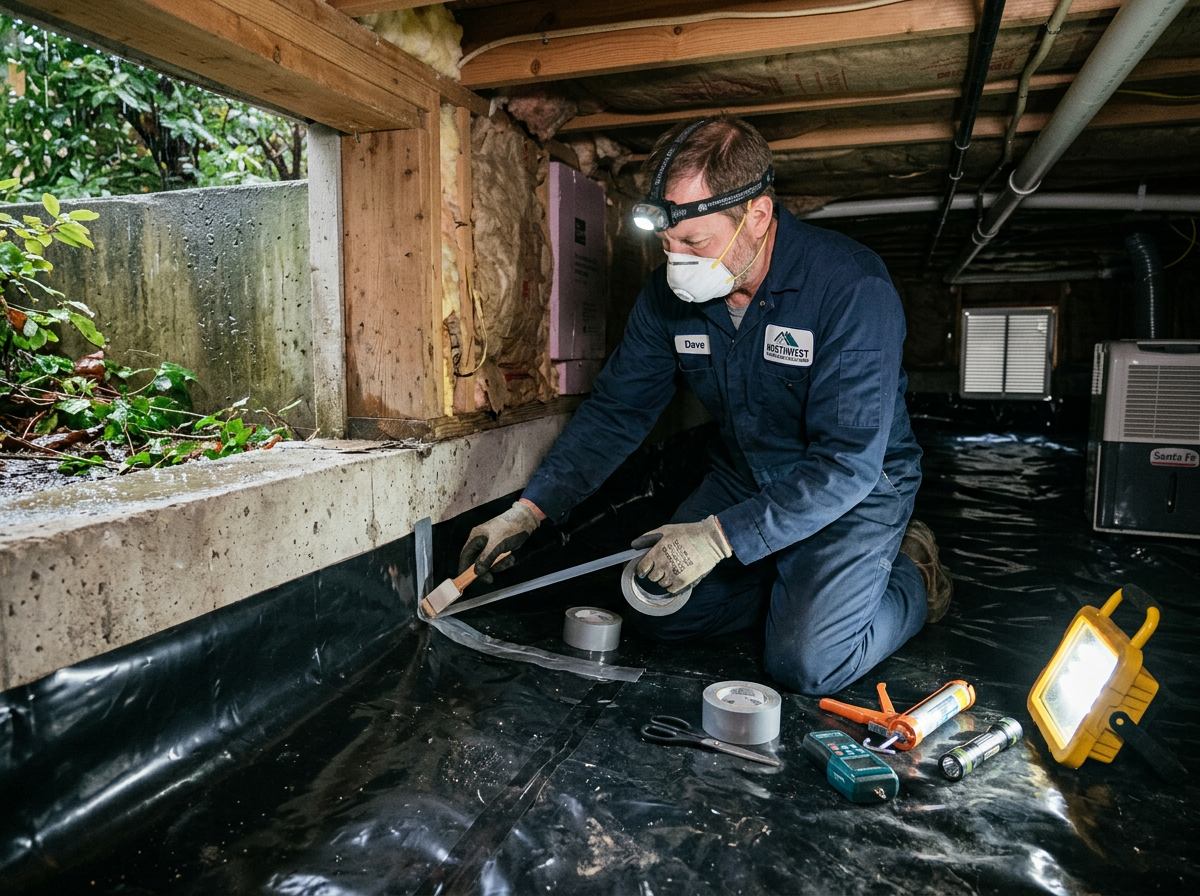
Crawl space mold removal targets moisture sources like bare soil and standing water that drive growth upward through the…
Details →Black Mold Removal in Latah
Black mold removal in Washington attics begins with fixing ventilation failures before any cleaning or material replacem…
Details →Basement Mold Removal in Latah
Targeted basement mold removal that fixes the actual moisture sources common in western Washington homes rather than jus…
Details →Bathroom Mold Removal in Latah
Targeted bathroom mold removal that fixes the moisture sources common in Washington homes instead of just cleaning visib…
Details →Moisture Control and Prevention in Latah
Targeted moisture fixes that stop mold regrowth by correcting airflow, drainage, and humidity sources across Washington …
Details →Attic Mold Removal in Latah — Local Notes
- •Rural housing stock often features older rooflines and limited attic ventilation that can trap moisture after a leak until drying occurs.
- •Winter heating in tight homes can create condensation points in attics when humidity is added without proper exhaust.
- •Access involves county roads and driveways that may require equipment suited for gravel or snow during colder months.
- •Dry summers allow faster surface drying once the water source is fixed, but hidden insulation saturation still needs full remediation.