
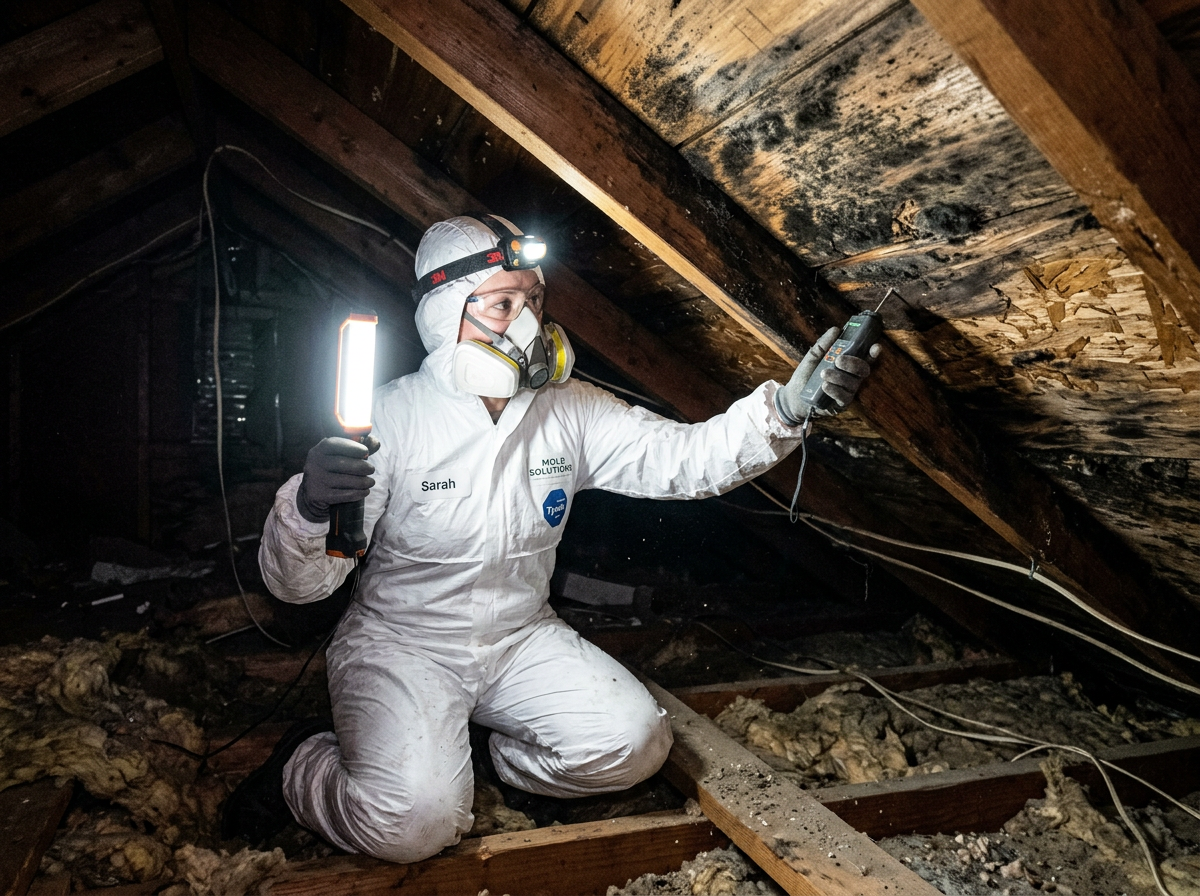
Attic Mold Removal Across Washington
We correct the ventilation failures and moisture sources that trap damp air in attics, then remove the growth so it does not return.
Attic Mold Removal Services Across Washington
Attic Mold Removal
Attic mold removal that corrects ventilation failures and moisture sources common in Washington home… Scope depends on how many fans nee.
Mold Remediation
Washington Mold Solutions handles attic mold remediation across the state from its Lynnwood base by … Final scope depends on square foot.
Mold Inspection and Testing
Detailed mold inspection services across Washington that map moisture and visible growth before any … Final scope depends on square foot.
Crawl Space Mold Removal
Crawl space mold removal targets moisture sources like bare soil and standing water that drive growt… Scope depends on water volume, siz.
Black Mold Removal
Black mold removal in Washington attics begins with fixing ventilation failures before any cleaning … Scope depends on attic size, exten.
Basement Mold Removal
Targeted basement mold removal that fixes the actual moisture sources common in western Washington h… Scope depends on square footage, d.
How We Handle Mold Remediation Across Washington
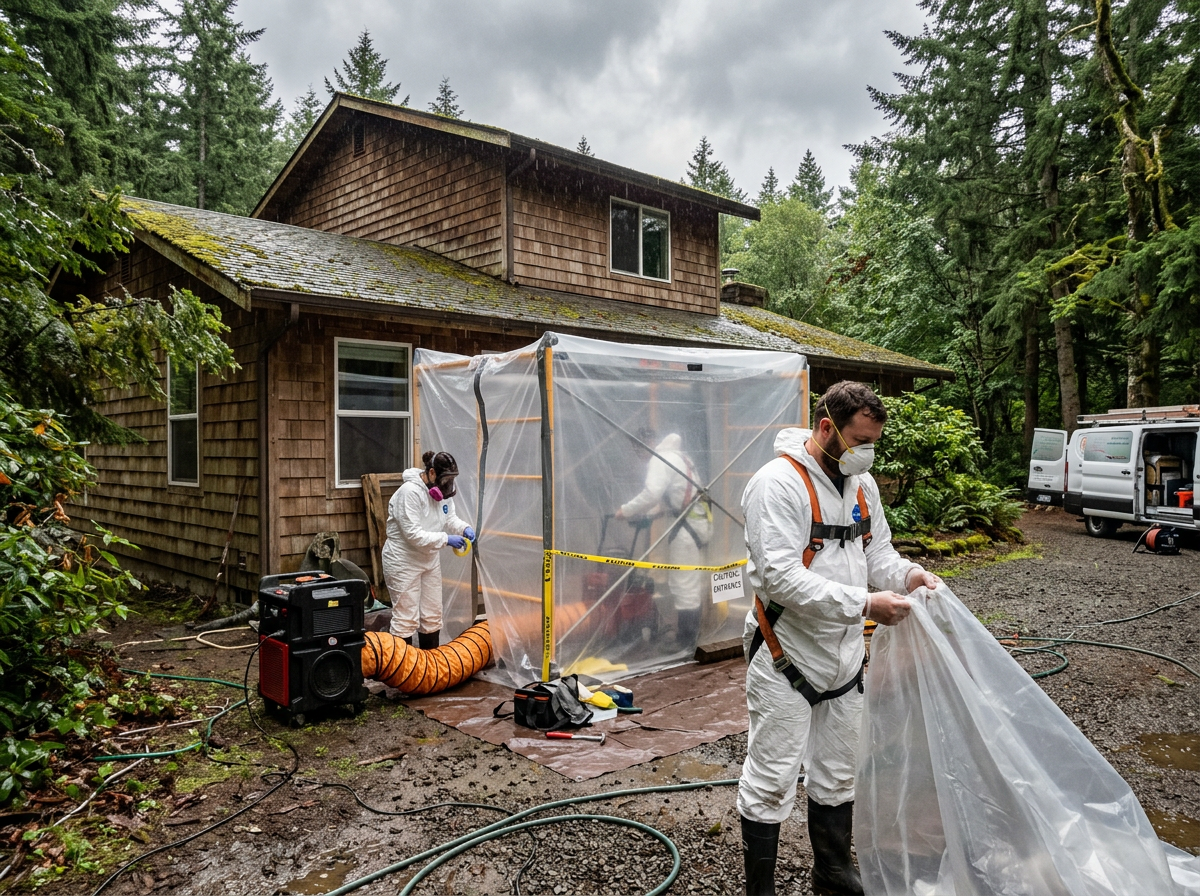
Our crews begin every attic mold removal project with a thorough inspection that locates the moisture source before any material is touched. We set up containment and negative air to keep spores from spreading, remove or treat affected insulation and sheathing, then fix the underlying ventilation problem such as fans venting into the attic, blocked soffits, or insulation covering the eaves. Final verification confirms the space is dry and the source has been corrected so the issue does not return.
From our base in Lynnwood we serve customers throughout the Puget Sound counties, the North Cascades and Skagit valley, the southwest coast, and the arid east side of the state. West of the Cascades the nine months of maritime damp mean materials stay wet longer, while bare-soil crawl spaces without vapor barriers push moisture upward; east of the mountains mold typically starts from plumbing failures rather than ambient humidity, so our diagnosis changes with each region.
“Workmanship you can inspect with upfront quotes on every attic mold removal project across Washington.”
8
Specialist services
59+
Cities covered
Free
Estimates & advice
What to expect, start to finish
Inspection And Moisture Source Identification
Technicians inspect attics statewide to locate moisture entry points including bathroom and dryer fans venting into the space, blocked soffit vents, and insulation installed over eaves. They trace the stack effect that carries moisture upward from bare-soil crawl spaces without vapour barriers and note that north-slope sheathing typically shows staining first because it receives less direct sun.
Containment And Negative Air
Work areas receive plastic containment barriers and negative-air machines to keep loosened particles from moving into living spaces during attic mold removal across Washington.
Removal And Treatment
Affected sheathing and insulation are removed or treated; simple surface cleaning is avoided because it leaves underlying moisture conditions untouched and allows regrowth.
Source Correction
Fans are rerouted, soffit vents cleared, eaves opened, and crawl-space vapour barriers installed or repaired to stop the original moisture sources before any new materials are placed.
Verification
A final walkthrough confirms moisture sources have been addressed and visible growth has been eliminated, with documentation provided for the homeowner's records.
Attic Mold Removal Across Washington
We deliver attic mold removal that targets the actual causes of growth so results hold up over time for homeowners statewide.
Containment Protocols
Sealed work zones and directed airflow keep spores from moving through living spaces during removal.
Moisture Source Correction
We identify and repair the ventilation failures or water entry points instead of cleaning only.
Regional Climate Knowledge
Approaches differ for the long damp season west of the Cascades versus mechanical issues in the arid east.
Attic Focused Work
Insulation removal, ventilation fixes, and access planning match the unique layout of attic spaces.
Statewide Coverage
Projects handled across Washington from the base in Lynnwood without geographic limits.
Crawl Space Ties
Bare soil areas under homes are checked because they often feed moisture into attics above.
Cities we serve
Attic Mold Removal Across Washington — Cities We Serve
Snohomish County · Mild oceanic climate with wet winters.
Mold Removal and Remediation Tips & Guides for Washington
2026-09-14
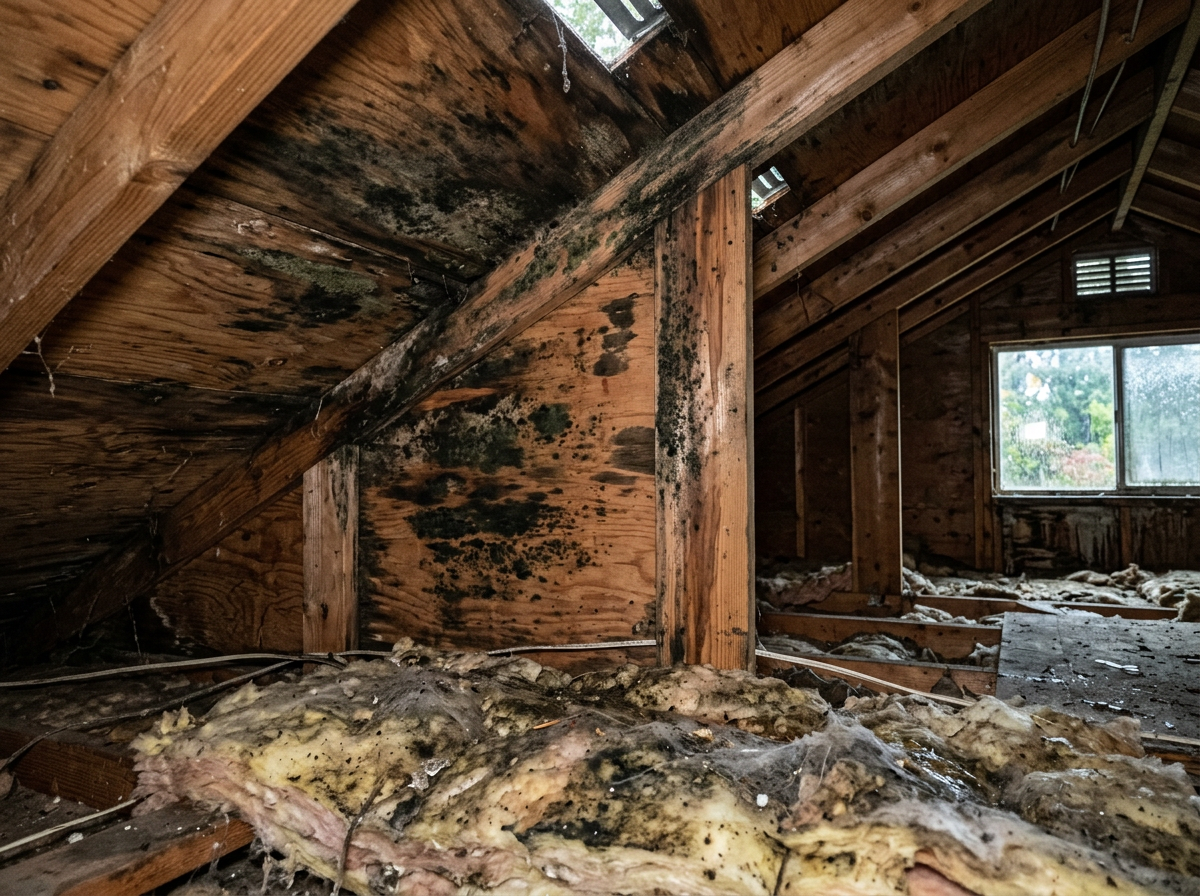
Signs Of Attic Mold After Fall Rains In Lynnwood
Fall rains highlight attic mold issues in Lynnwood when ventilation fails, allowing moisture to accumulate on north-facing surfaces and arou…
2026-09-14
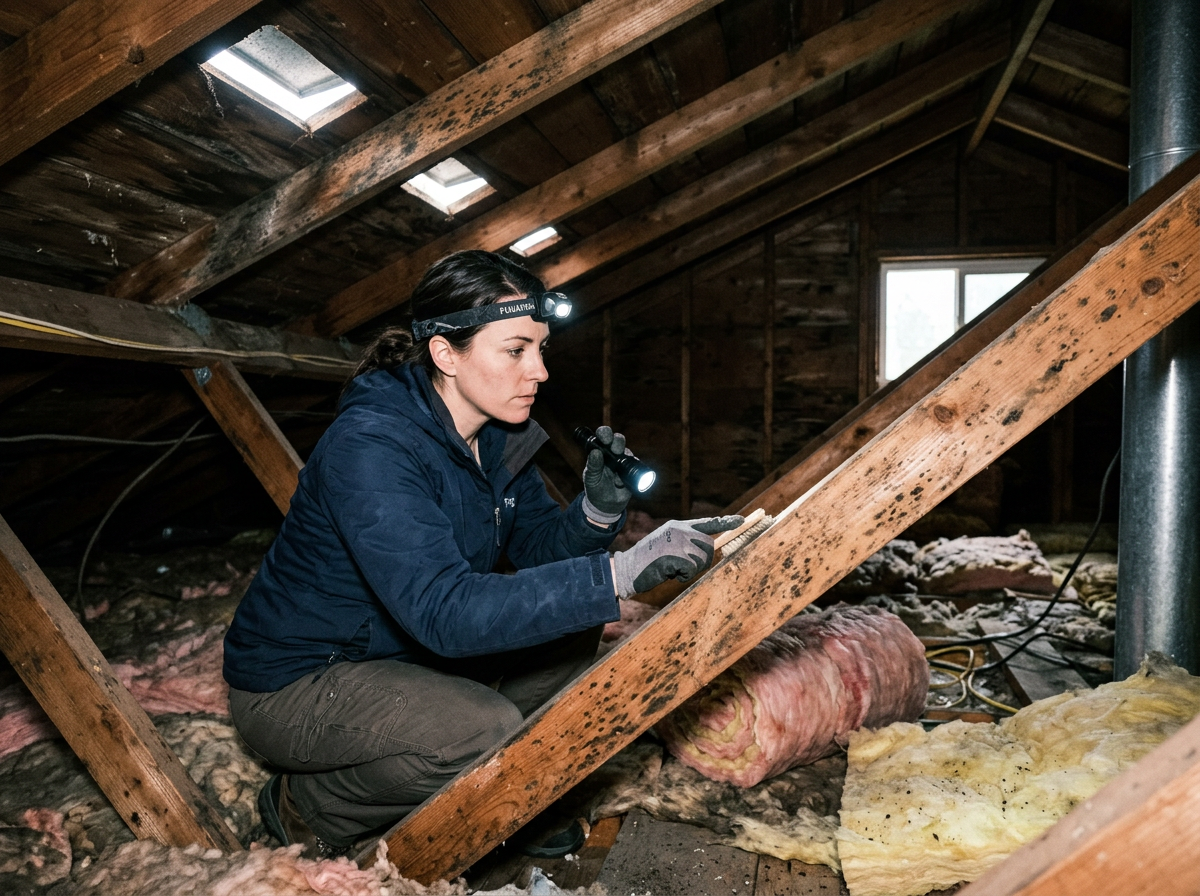
How To Check Your Attic For Mold In Lynnwood Homes
Lynnwood homeowners can start attic checks by looking for staining and moisture signs tied to local ventilation issues. Follow these practic…
2026-09-14
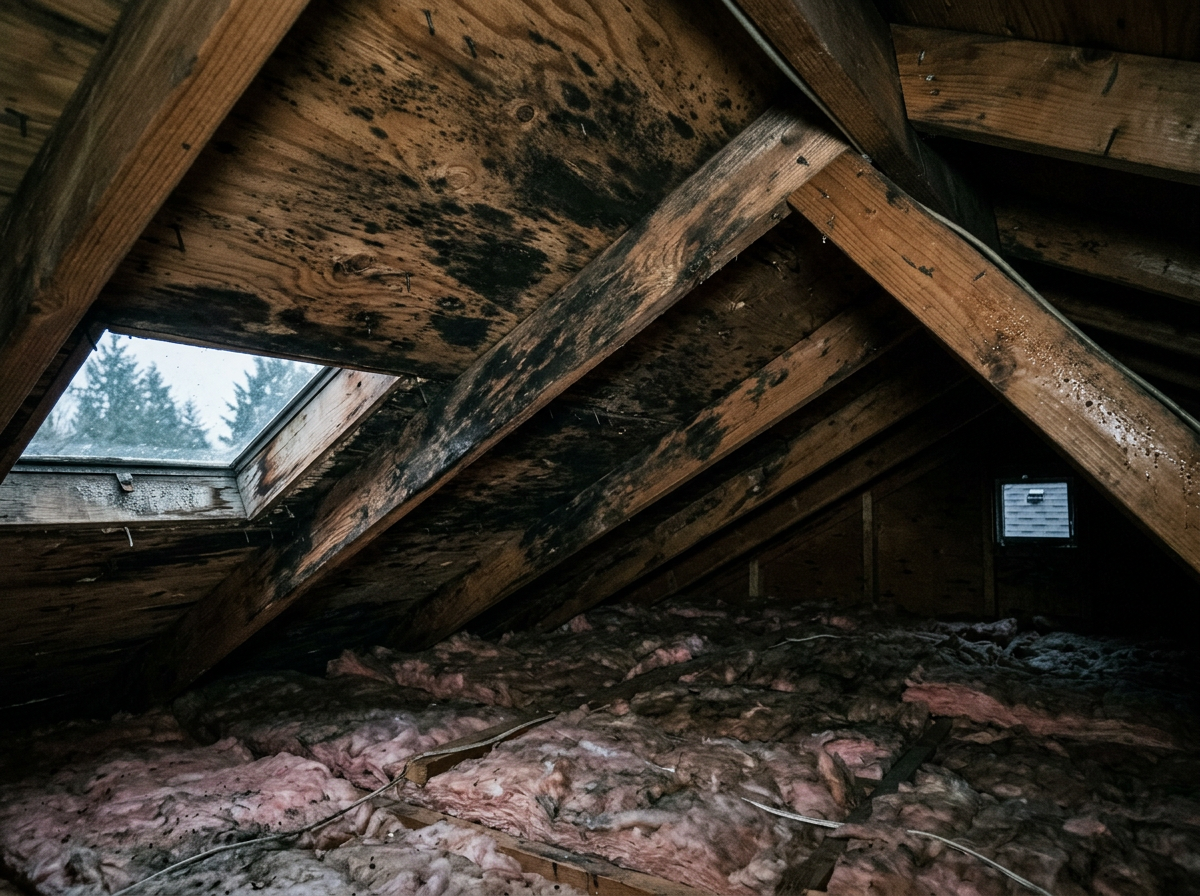
Why Lynnwood Attics Develop Mold During Winter
Lynnwood attics see mold growth in winter when warm indoor air meets cold roof decks amid poor ventilation and local climate patterns. Addre…
Good to know
Attic Mold Removal FAQs — Washington
Still have questions? We're happy to talk it through.
(425) 380-0328